Park Your Pain.
Start Your Recovery.
Parkway is a leading physiotherapy clinic with locations in Langford, Sooke, and Victoria.

4.9

2000 reviews


Proudly Serving The South Island Community for Years
You become family when you walk through our doors, we have your back. We’ll be your confidant, coach, advocate, and cheerleader because without you, there is no us.
Our secret sauce is how we filter our clinical know-how through the lens of a deep appreciation of every patient – as an individual.
No matter how good we are, you are the hero in your story. This is our mission and our commitment to you.
Your Needs. Our Services.

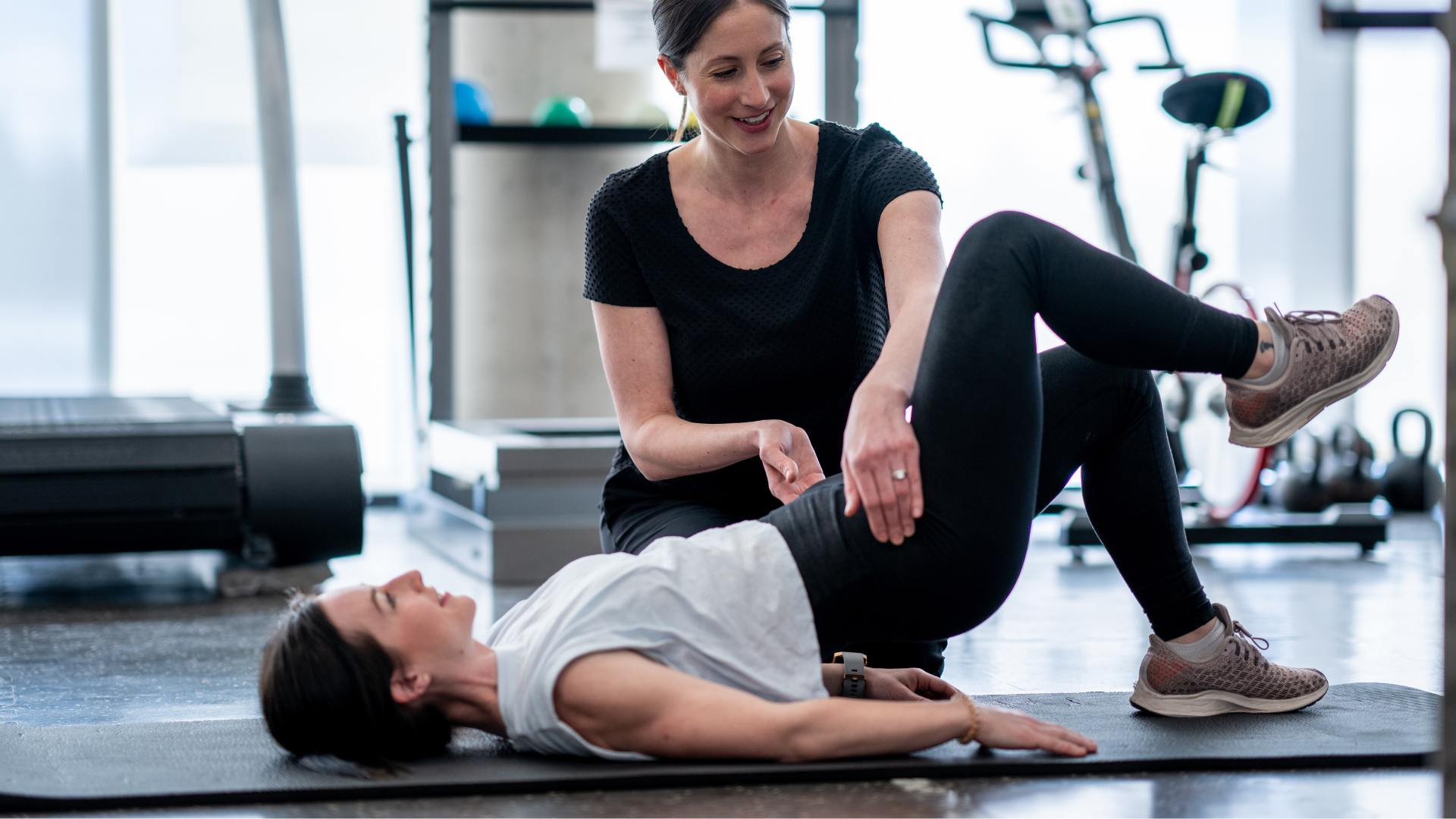


Why Patients Choose Parkway

Personalized Treatment
We create personalized treatment plans based on your specific needs and goals.

Direct Billing
We offer direct billing to most health insurance plans

Experienced Clinicians
Our team brings years of experience and clinical specialties

Incredible Patient Results
We have over 1,500 5-star reviews for a reason.
Multi-Disciplinary Clinic
Parkway is here for all of your health and wellness needs.
Convenient Locations
With 4 locations across Langford, Sooke, Victoria and Saanich, we’re never far away.
























Meet The Parkway Team
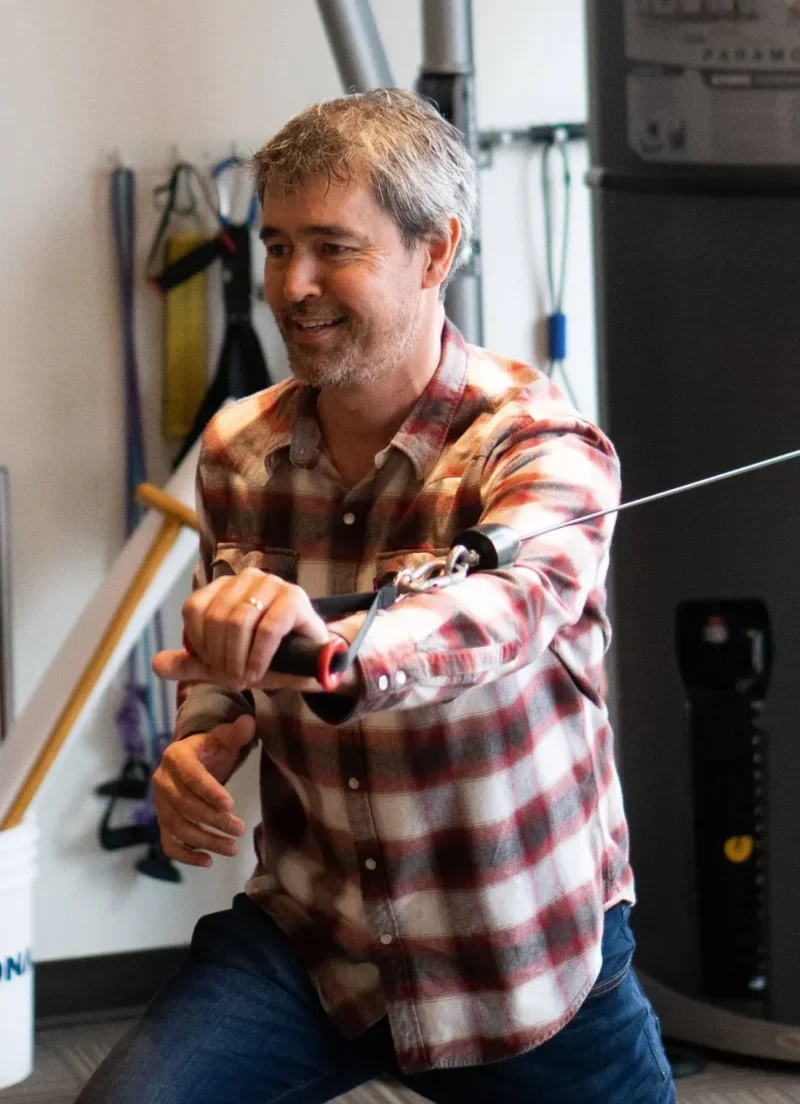
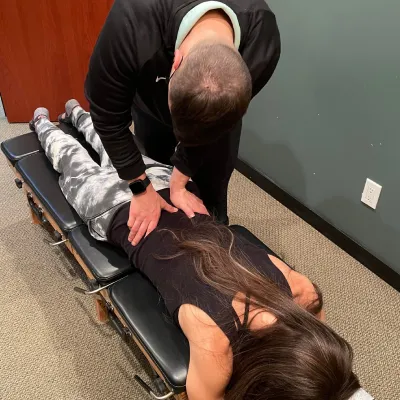
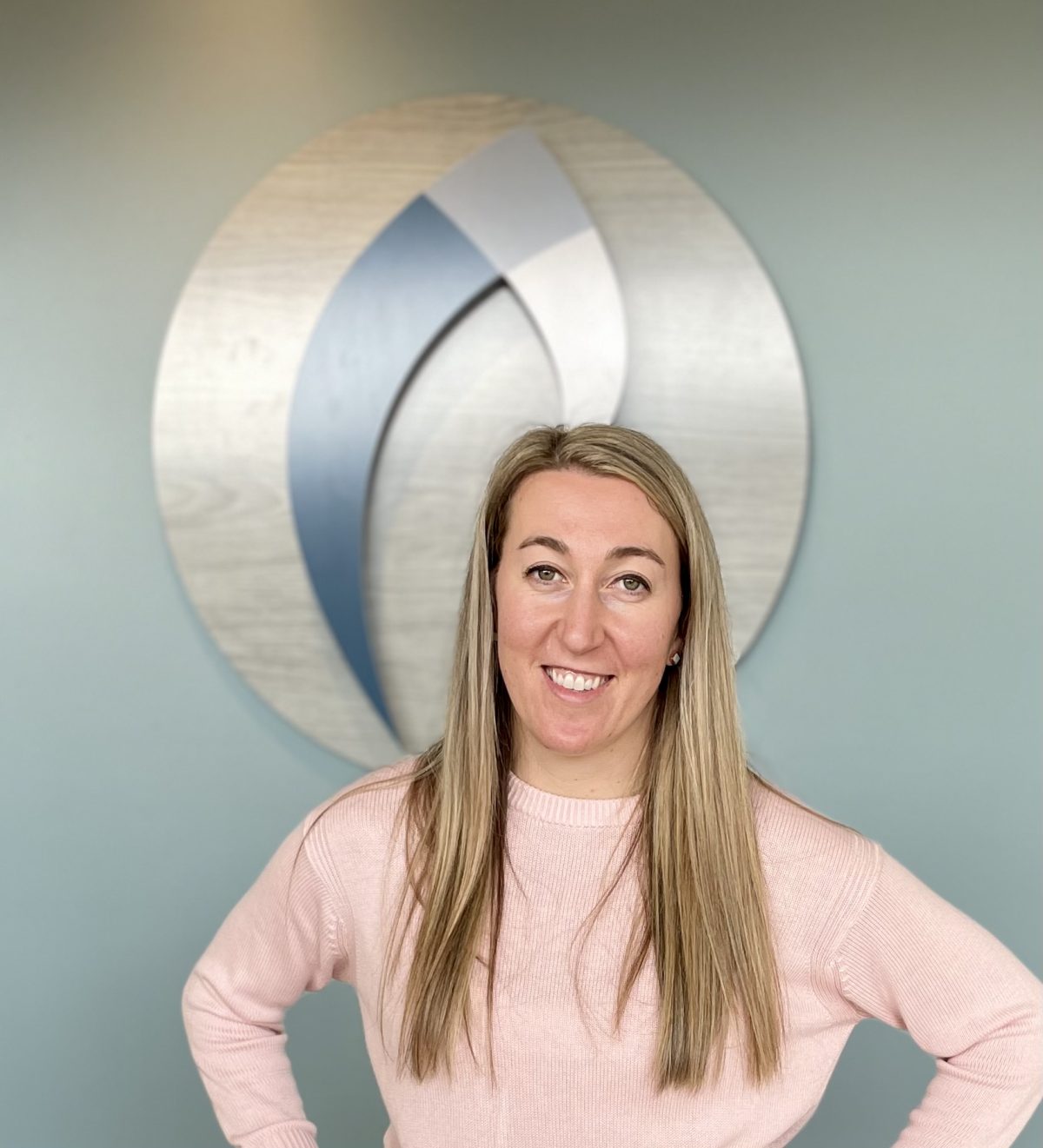
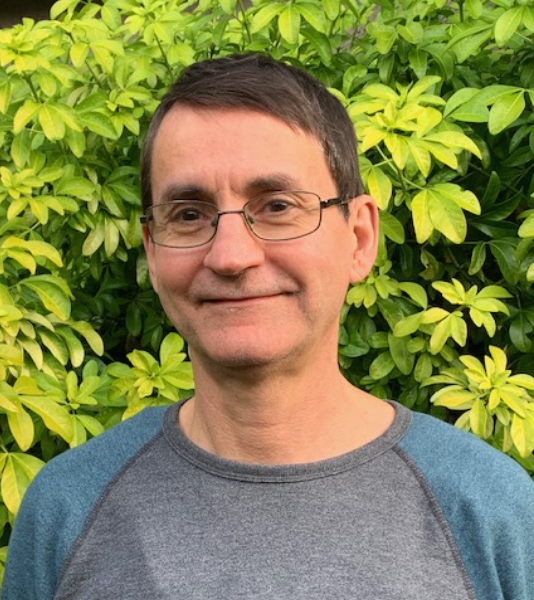
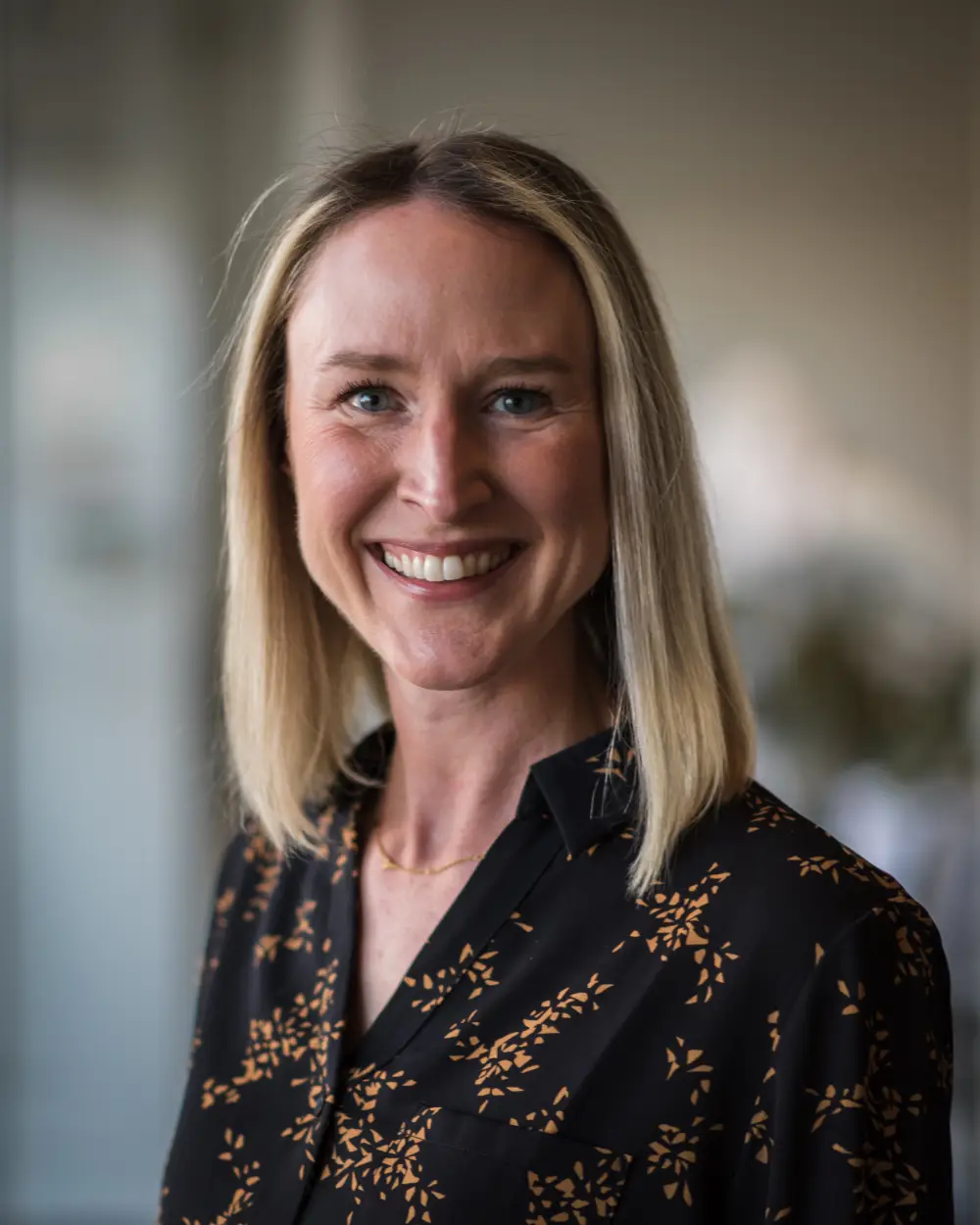
Our experienced team of physiotherapists, chiropractors, kinesiologists, massage therapists, and acupuncturists work closely with you to find the root cause of your pain and develop a personalized recovery plan.


An Easy Way to Learn More
Check out some of our latest resources and information
How Neuroplasticity Works in Stroke Recovery: Rewiring the Brain
The idea that the brain can rebuild itself after a stroke once sounded impossible. Today, it is one of the…Parkinson’s Physiotherapy: Improving Mobility and Independence
Parkinson’s disease is a progressive neurological disorder that primarily affects the brain’s ability to produce dopamine. Dopamine is the chemical…

Our locations
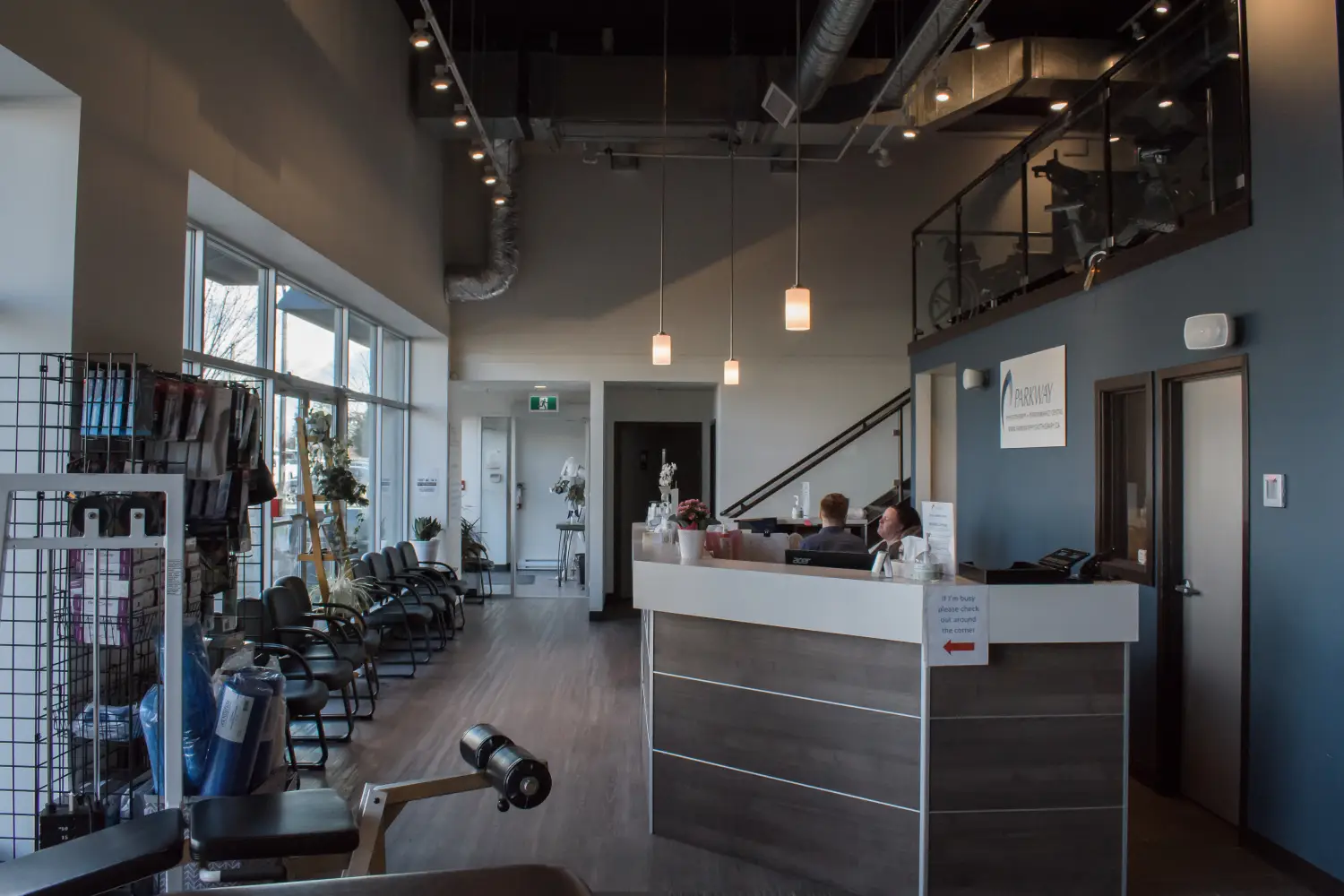
Happy Valley
#108-2655 Sooke Road Langford, BC V9B 1Y3
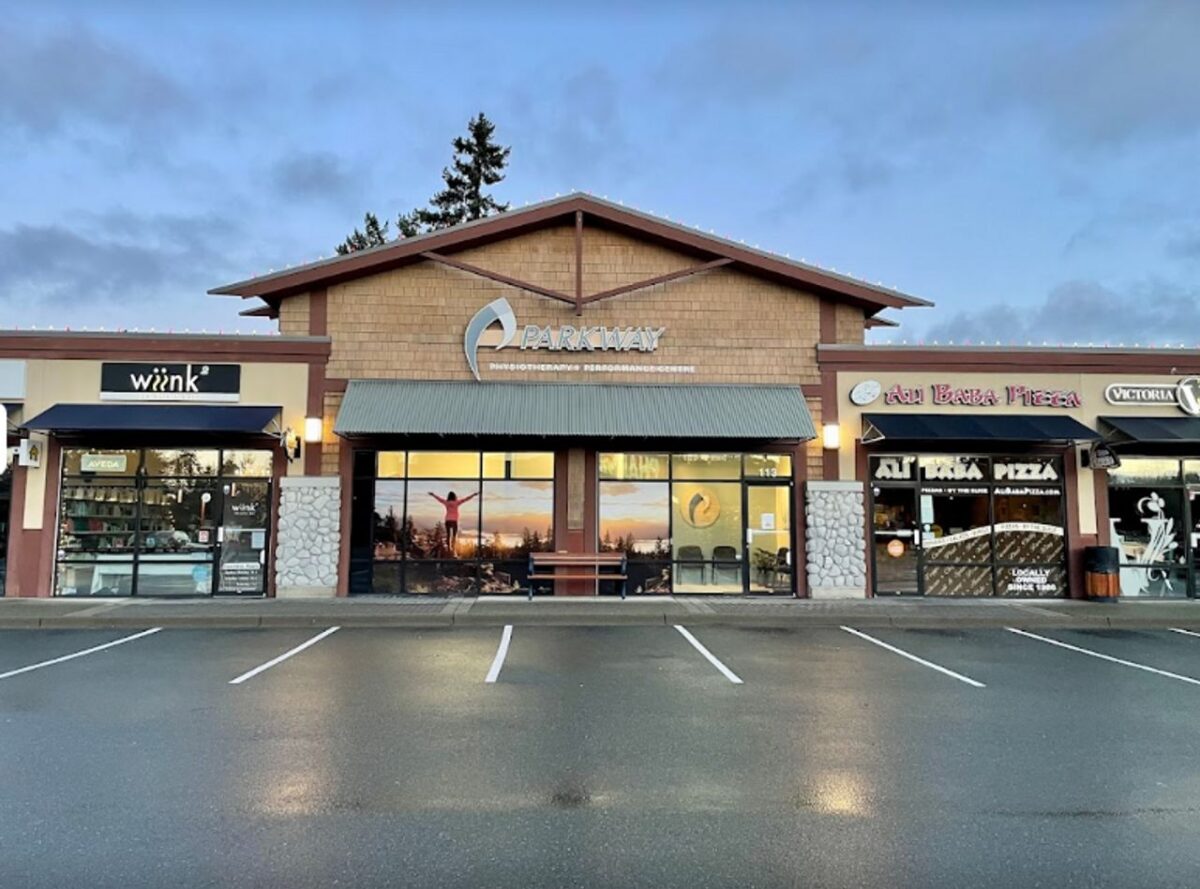
Millstream Village
#G113-2401 Millstream Rd Langford, BC V9B 3R5
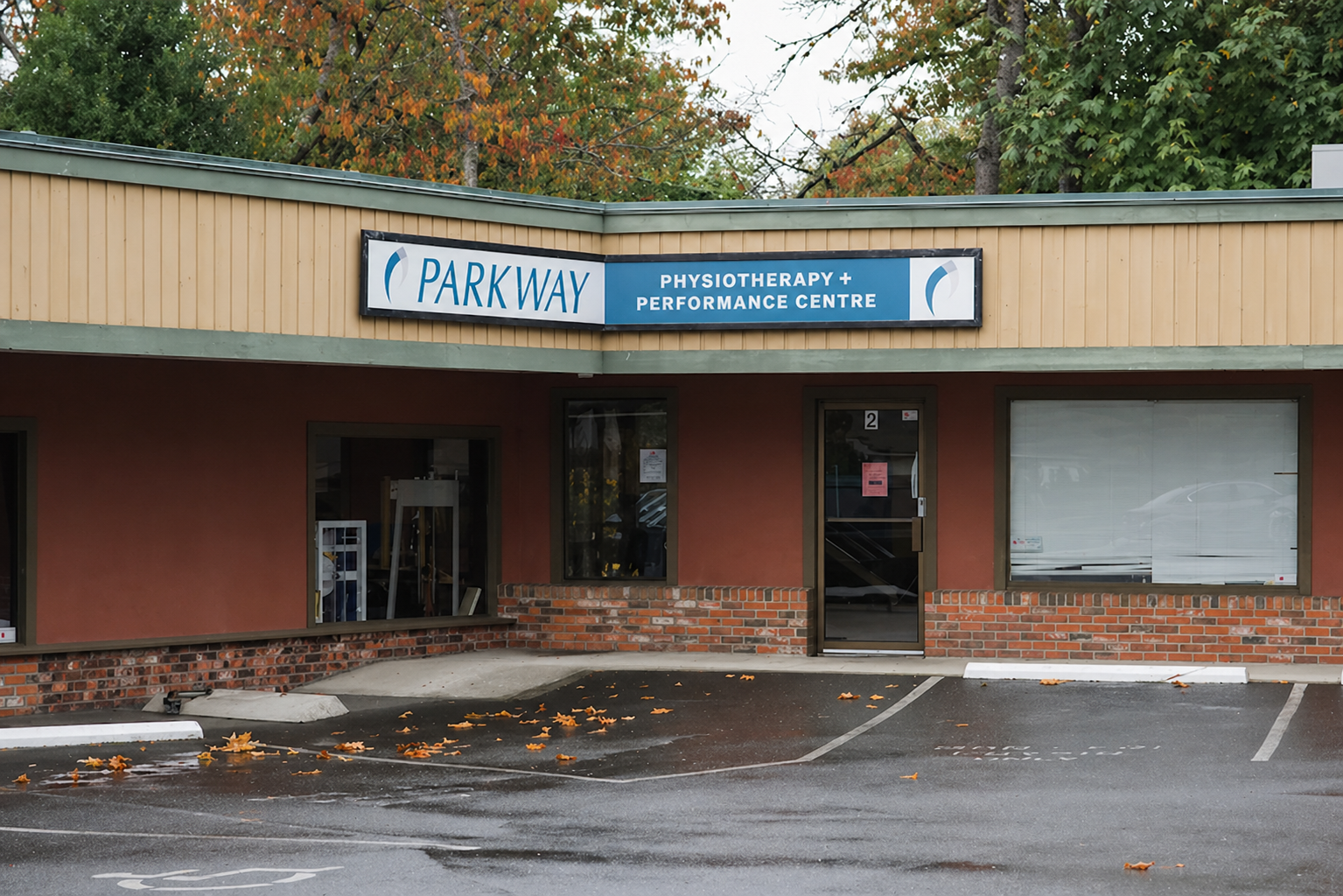
Sooke
#3 6726 W Coast Rd Sooke, BC V9Z 1H5
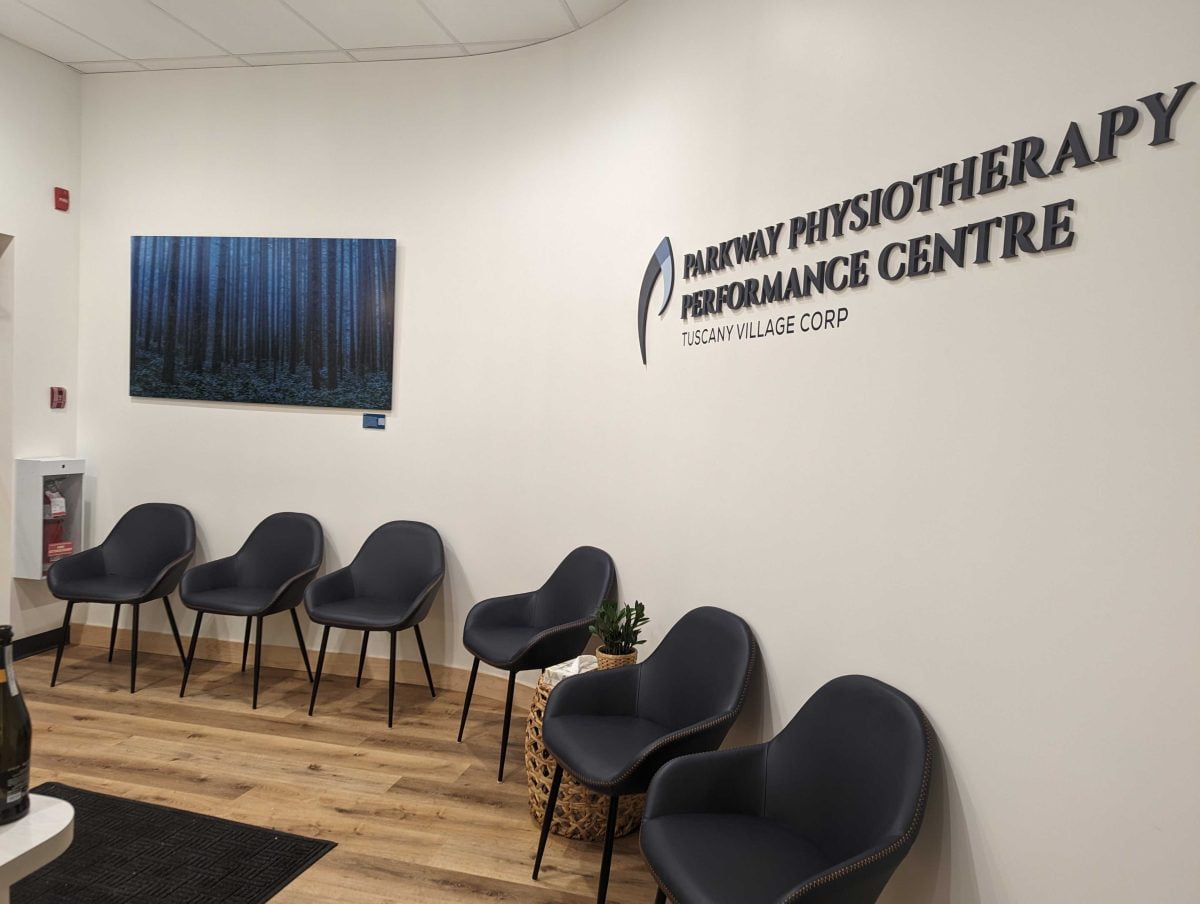
Tuscany Village
1646 McKenzie Ave #101 Victoria, BC V8N 0A3